Varga Tamás
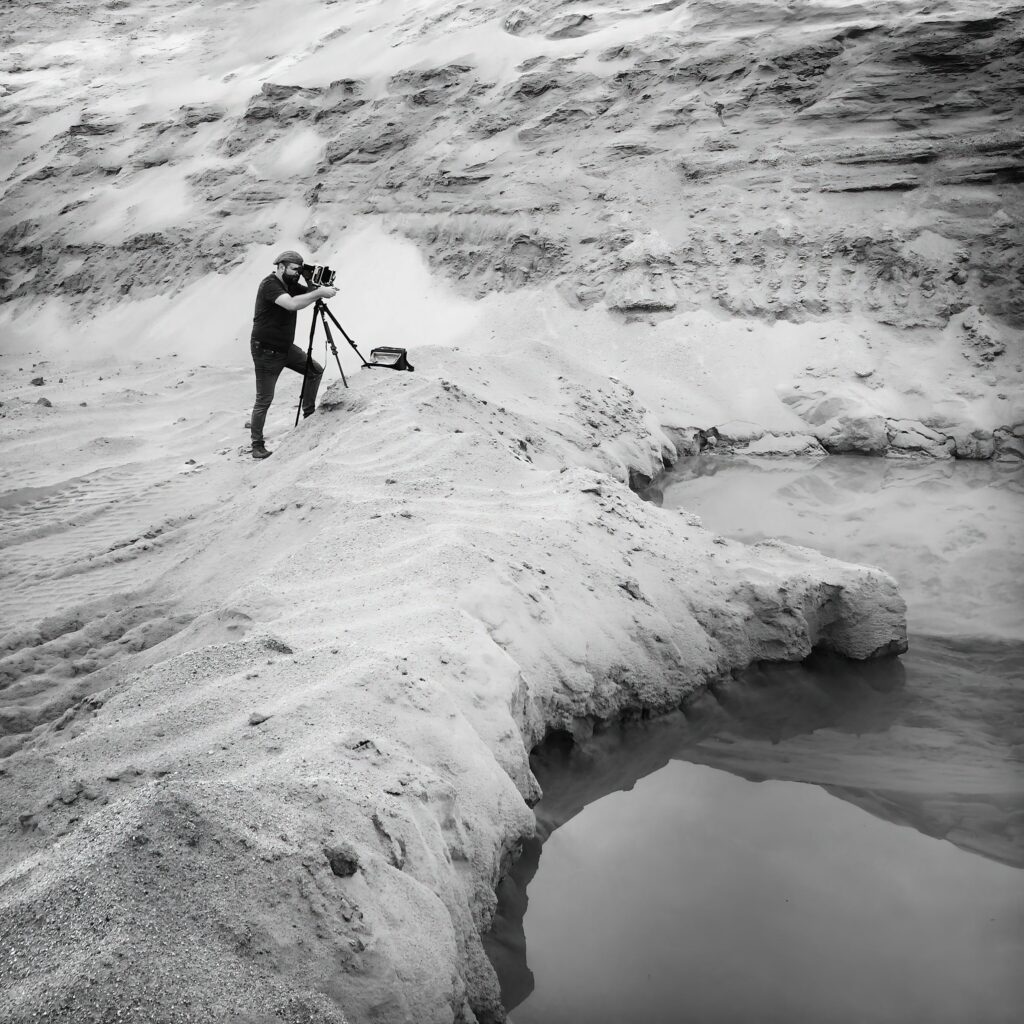
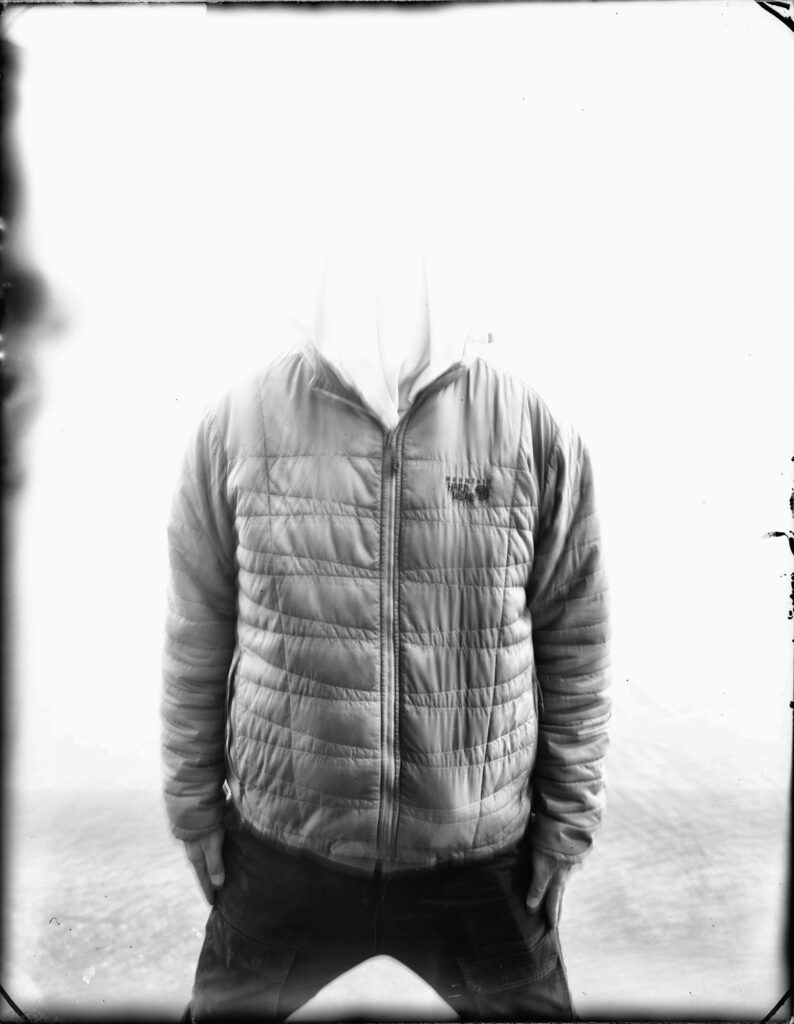
Varga Tamás magyar fotográfus, leginkább történelmi fotóeljárásokkal készíti felvételeit. Az utóbbi időben kizárólag kollódiumos és ezüst zselatinos száraz üveg lemez technikákkal foglalkozik.
Számára művészként ez az eljárás vált a fényképkészítés természetes útjává.
Műveit 19 egyéni, független kiállításon mutatták be, valamint több mint 150 tárlaton vettrészt Magyarországon és világszerte.
Számos fotográfiával foglalkozó cikk szerzője, publikációi több fotóalbumba, szaklapba, egyéb folyóiratba, katalógusba és naptárba is bekerültek.
2019 óta öt önálló fotóalbuma jelent meg.
Tamás Varga is a Hungarian photographer who has been working with historic photographic processes. Recently, he has exclusively dedicated himself to collodion and silver gelatin dry glass plates. For him, as an artist, this process has become the natural way of creating photographs.
His works have been presented to the public in 19 individual, exclusive, independent exhibitions, as well as in more than 150 expositions both worldwide and in Hungary.
He is the author of many articles on the subject, and his publications have appeared in numerous photobooks, professional journals, other periodicals, catalogues, and calendars.
Since 2019, five independent photo albums have been published.
artist statement
Már gyerekkoromban is azt gondoltam, hogy valami jót, igazit létrehozni nem egyszerű dolog, sokat és hosszú ideig kell azért dolgozni. Ma fotográfusként ugyanezt hiszem.
Munkáim zömét nagy formátumú fényképezőgéppel készítem. A 19. szászad végén és a 20. század elején munkálkodó mesterek mellett a kortárs alkotók és tendenciák is hatással vannak rám és képeimre. Tartalmilag visszatérően foglalkozom projektjeimben a Közép-Kelet Európai lét sajátos aspektusaival ill. negatív sztereotípiákkal küzdő csoportok bemutatásával.
Érdeklődésem középpontjában az egyik legősibb technika, a nedves kollódiumos eljárás áll. Ez a technika bizonyos szempontokból a mai napig is utolérhetetlen. Nem kívánok az archaizálók útján haladni, friss, kortárs szemlélettel igyekszem kiaknázni a képek egyediségét, sokszor vegyítve az eljárást a digitális képalkotással.
Az alkotás folyamatának minden része izgat és izgalomba hoz. Bonyolult és összetett érzés az, ha egy felvételt kitalálunk, ezt hosszasan érleljük, előkészítjük a hozzá szükséges anyagokat, elvégezzük a manuális feladatokat, igénybe vesszük elődeink eszközeit, gépeit, tudását, majd csak ezek után exponálunk és nem azonnal vissza a képet a képernyőn. Nekem még fontos a mesterségbeli tudás, vonz a sötétkamrában az egyedüllét, az anyaggal való közvetlen kapcsolat, az egy és megismételhetetlen, ennek megfelelően a képek kézben fogható formában valólétrehozása.
Tudom, ez ma nem egy trendi dolog.
Mindezt 21. századi fejjel, szemmel, látásmóddal akarom művelni figyelve a frissáramlatokat és használva a modern kor vívmányait.
Even as a kid I thought that its not an easy thing to create something real something true. One has to work hard to achieve that. Today as a photographer I have the same belief.
I accomplish most of my work in great format with cameras. Beides the masters of the end of the 19th and the beginning of the 20th century, the contemporary artists and tendencies affect my photos and me. In my projects I root back and deal in a recurring manner with the Central- Eastern European existence and its typical features and I introduce social groups fighting against being stereotyped .
My main focus is the archaic wet plate collodion process. This technique in some aspects is still unreplaceable and unreplaceable even by today standards and tools. My intention is not simply walk the road of those who are archaizing, quite the opposite, I am intending to utilize the uniqueness of the pictures with fresh recent approach frequently merging the archaic procedure with digital imaging technologies.
Every tiny bit of the process of creating excites and thrills me. It’s a sophisticated and complicated feeling to imagine a picture; incubate the idea; prepare the materials for it and do the manual job with it. In the making we utilize our predecessors’ tools and knowledge and just than we expose and we don’t hang on the LCD. For me the craftsmanship is a value. The loneliness in the dark room, the direct contact with the material and the nature of the unrepeatable is attracting. As such the fact of creating palpable crafts one can hold in hand is mesmerizing.
I know its not hip and trendy today.
My aim is to cultivate this with a 21th century mind-set taking into consideration the latest trends and utilizing the accomplishments of the modern era.